History of Geodesic Domes (Buckminster Fuller & Evolution)
Geodesic domes are among the most iconic and innovative architectural structures of the modern era, representing the marriage of geometry, engineering, and sustainability.
Their history begins with visionary ideas and grows into a global movement one that Nest Domes carries forward in India and beyond.
Also Check: How dome hands Wind and Snow Loads
Buckminster Fuller: The Pioneer
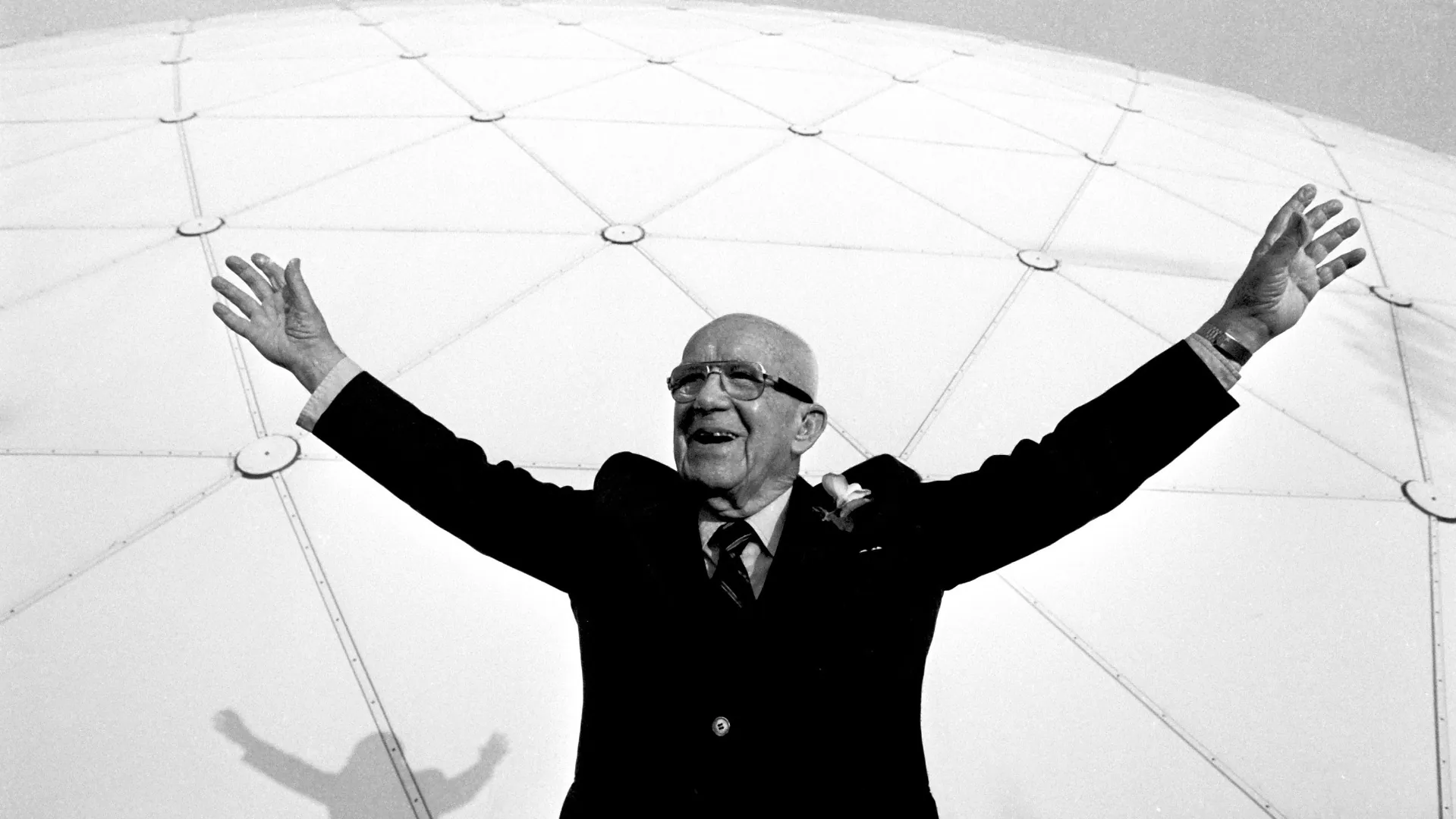
- Who Was Buckminster Fuller?
R. Buckminster Fuller (1895–1983) was an American architect, inventor, systems theorist, and futurist. Dedicated to solving global problems through design, he popularized the geodesic dome as the ultimate expression of efficient, resilient architecture. - Discovery:
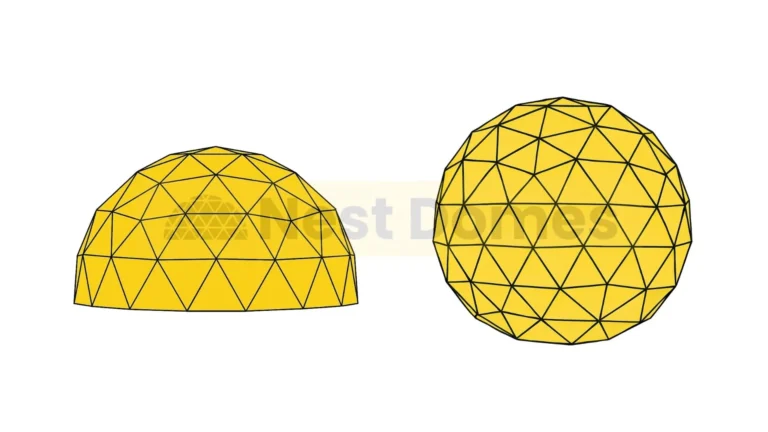
In the late 1940s, Fuller applied the principles of “synergetics” (the study of systems and geometry in nature) to create lightweight, strong domes from networks of triangles. He patented the geodesic dome in 1954. - First Iconic Structures:
The first geodesic domes were constructed for military radomes (radar shelters), exhibition halls, housing prototypes, and schools. Fuller believed this design could provide affordable, sustainable shelters worldwide. - Montreal Biosphère:
One of Fuller’s most celebrated works is the Montreal Biosphère, built for Expo 67. At seventy-six meters in diameter, it showcased the strength and beauty of his concept, inspiring architects globally.
Also Check: How to select right Geodesic dome in Glamping
Evolution and Global Adoption
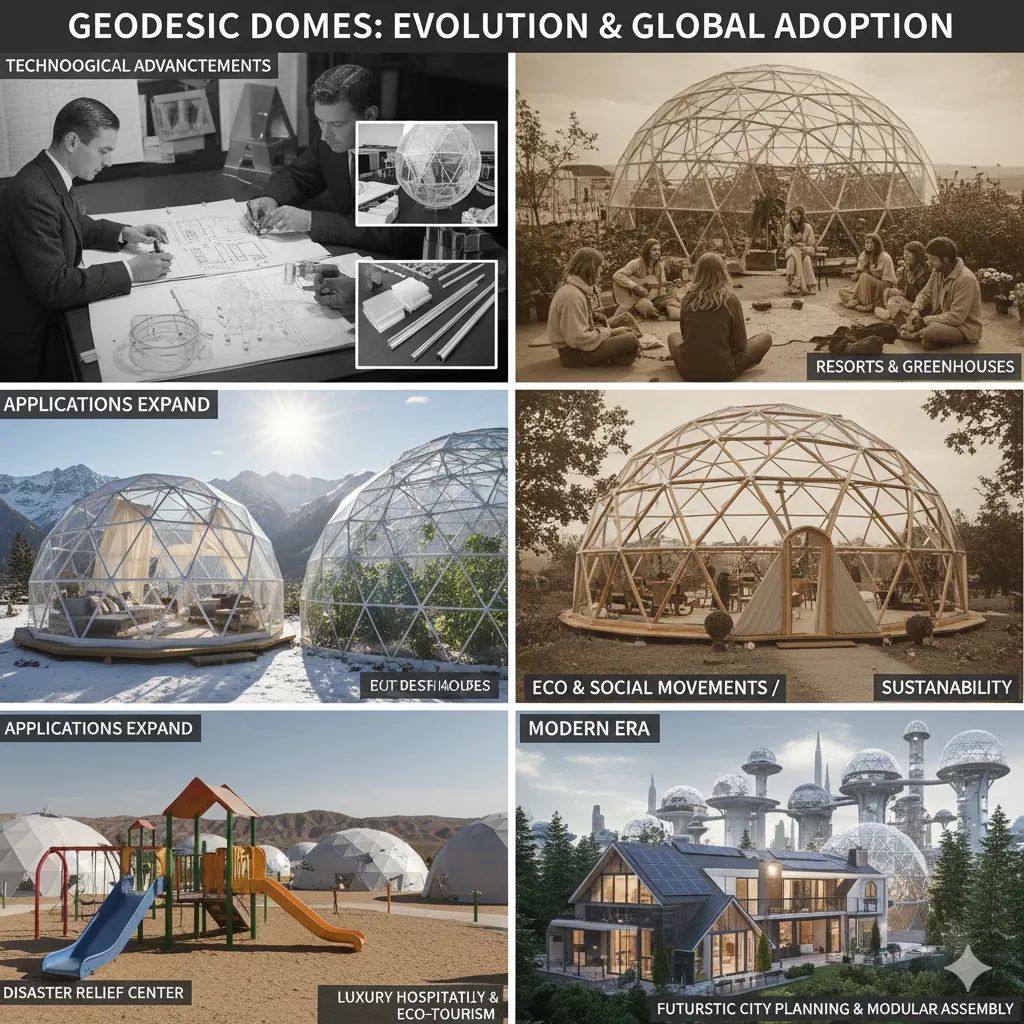
- Technological Advancements:
Over the years, material science (steel, aluminum, advanced polymers) increased dome strength and versatility. Computer modeling allowed for precision in design and rapid construction. - Applications Expand:
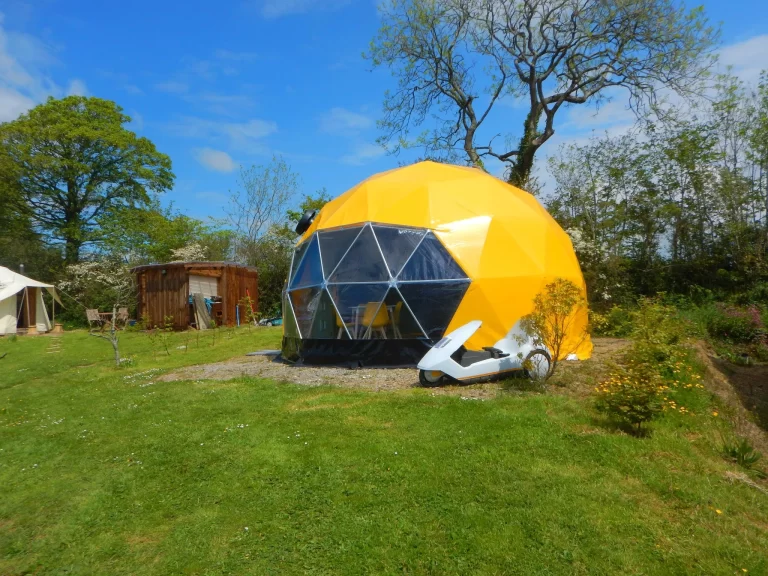
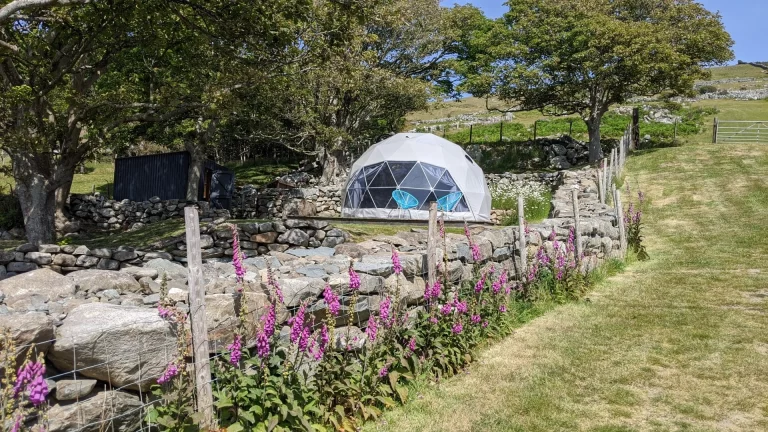
Domes are now found everywhere resorts, glamping, greenhouses, auditoriums, homes, playgrounds, disaster relief centers, even planetary habitats. - Eco and Social Movements:
Geodesic domes gained popularity with the counterculture movement of the 1960s and 1970s, symbolizing sustainability, communal living, and harmony with nature. - Modern Era:
Innovations in insulation, modular assembly, and customizable design propelled domes into luxury hospitality, eco-tourism, and futuristic city planning.
Also Check: Why Geodesic Domes Are the Strongest Shape in Architecture
Why Geodesic Domes Endure
- Unmatched Efficiency:
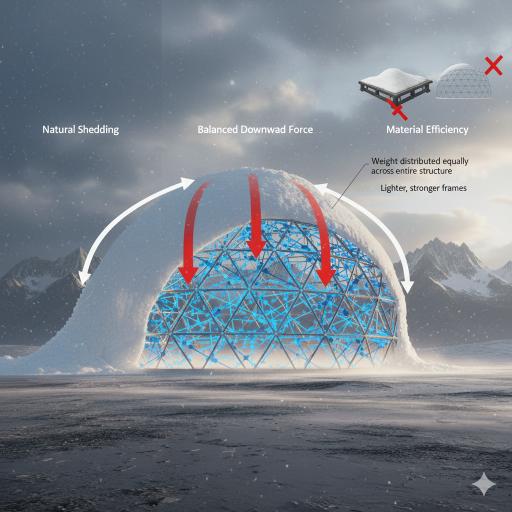
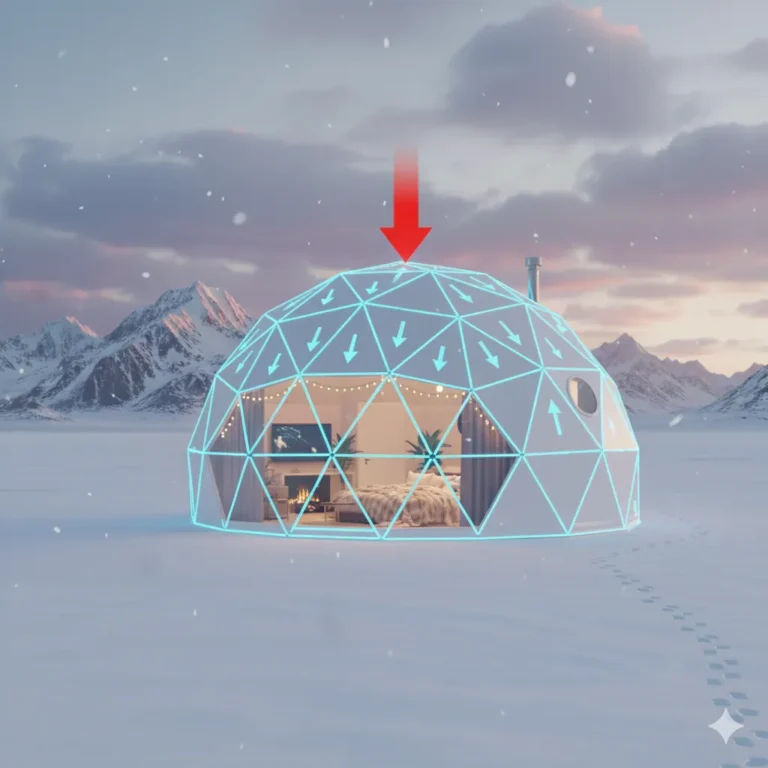
The geometry uses less material for greater strength and internal volume. The dome shape naturally withstands wind, snow, and seismic force no internal columns needed. - Global Sustainability Symbol:
From Buckminster Fuller’s idealistic vision to Nest Domes practical application in India, geodesic domes represent the ongoing pursuit of responsible, beautiful living spaces. - Indian Context:
Companies like Nest Domes are building on this legacy tailoring world-leading design for Indian climates, tourism, and social progress.
Summary:
The history of geodesic domes began with Buckminster Fuller and continues to evolve with new technology, design, and global need.
Today, Nest Domes carries this spirit by making efficient, resilient, and inspiring dome spaces accessible to all. The journey from postwar innovation to 21st-century hospitality and sustainability lives on in every dome we build.
Transform Your Space with a Nest Dome
From luxury glamping domes to large event spaces, our geodesic domes redefine modern design. Let’s build something extraordinary together.