How Domes Handle Wind and Snow Loads
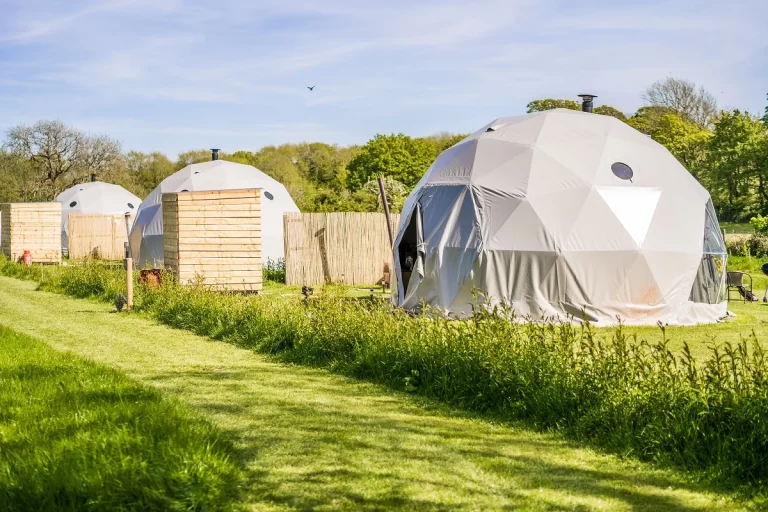
Geodesic domes are legendary for their ability to withstand harsh natural forces.
unique shape, engineering principles, and material choices combine to set new benchmarks for stability under wind and snow loads. Here’s why and how domes excel even where traditional structures struggle.
Also Check: What’s the average lifespan of a geodesic dome
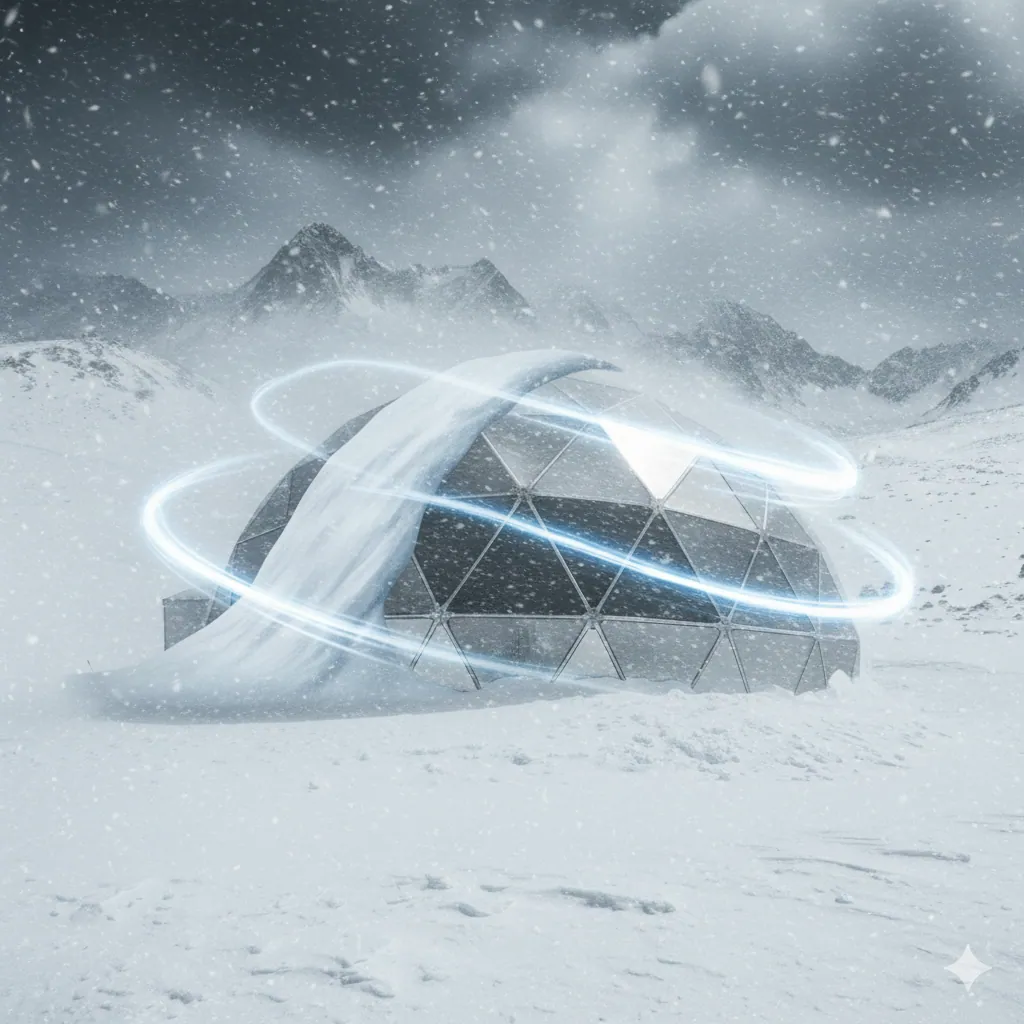
1. Aerodynamic Shape Deflects Wind

- No Flat Walls:
A dome’s curved, spherical exterior presents no large, vertical surfaces for wind to “push” against. - Wind Flows Smoothly:
Gusts naturally pass up, over, and around the dome, drastically reducing pressure points and risk of structural uplift or overturning. - No Windward/Leeward Weakness:
Where boxy buildings often fail at exposed corners or the leeward wall, a dome’s forces are always evenly distributed.
Also Check: How to select right Geodesic dome in Glamping
2. Triangular Network Shares the Load
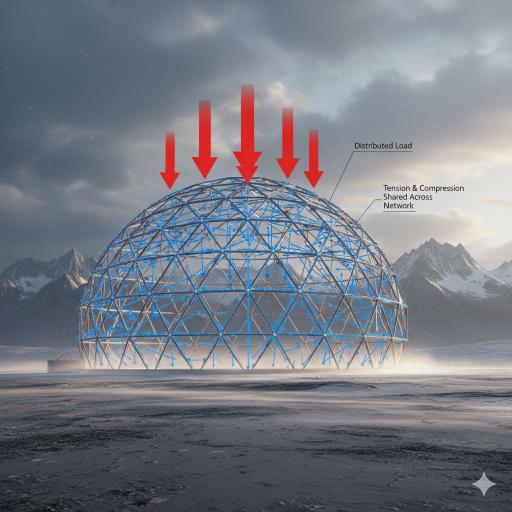
- Triangles Resist Deformation:
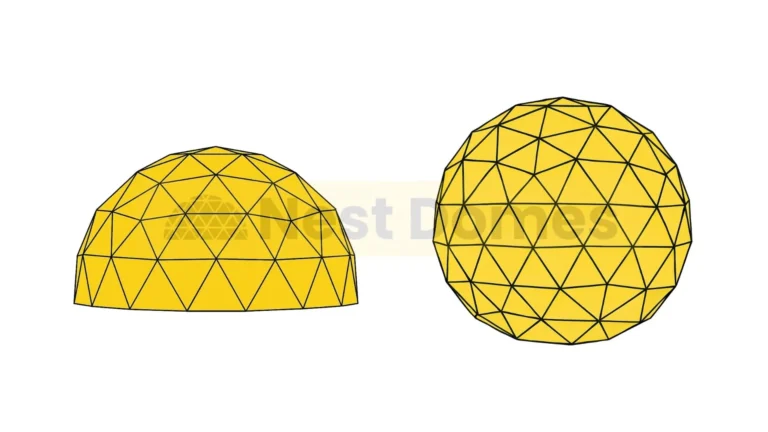
The dome’s skeleton is a mesh of interconnected triangles the strongest shape in engineering. - Stress Distribution:
When wind or snow applies pressure, the force travels instantly through every triangle and joint, making the entire structure bear the load together. - No Single Weak Point:
The interconnected web means one damaged strut or panel is immediately supported by others, preventing collapse.
Also Check: Why Geodesic Domes Are the Strongest Shape in Architecture
3. Superior Snow Load Management
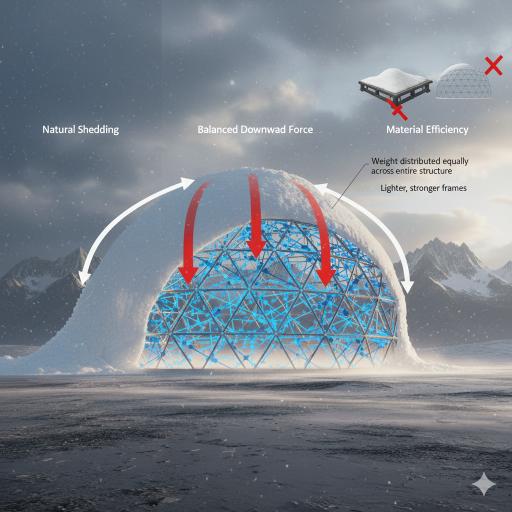
- Natural Shedding:
Snow cannot easily accumulate on a dome’s curved surface. It slides off naturally, preventing heavy buildup that can collapse flat roofs. - Balanced Downward Force:
What snow does settle places its weight omnidirectionally across the dome, so instead of making one beam sag, all struts share load equally. - Material Efficiency:
Because load is so well-balanced, dome frames can be lighter yet stronger than those needed for traditional roofed buildings.
Also Check: History of Geodesic Domes
4. Robust Anchoring & Foundation
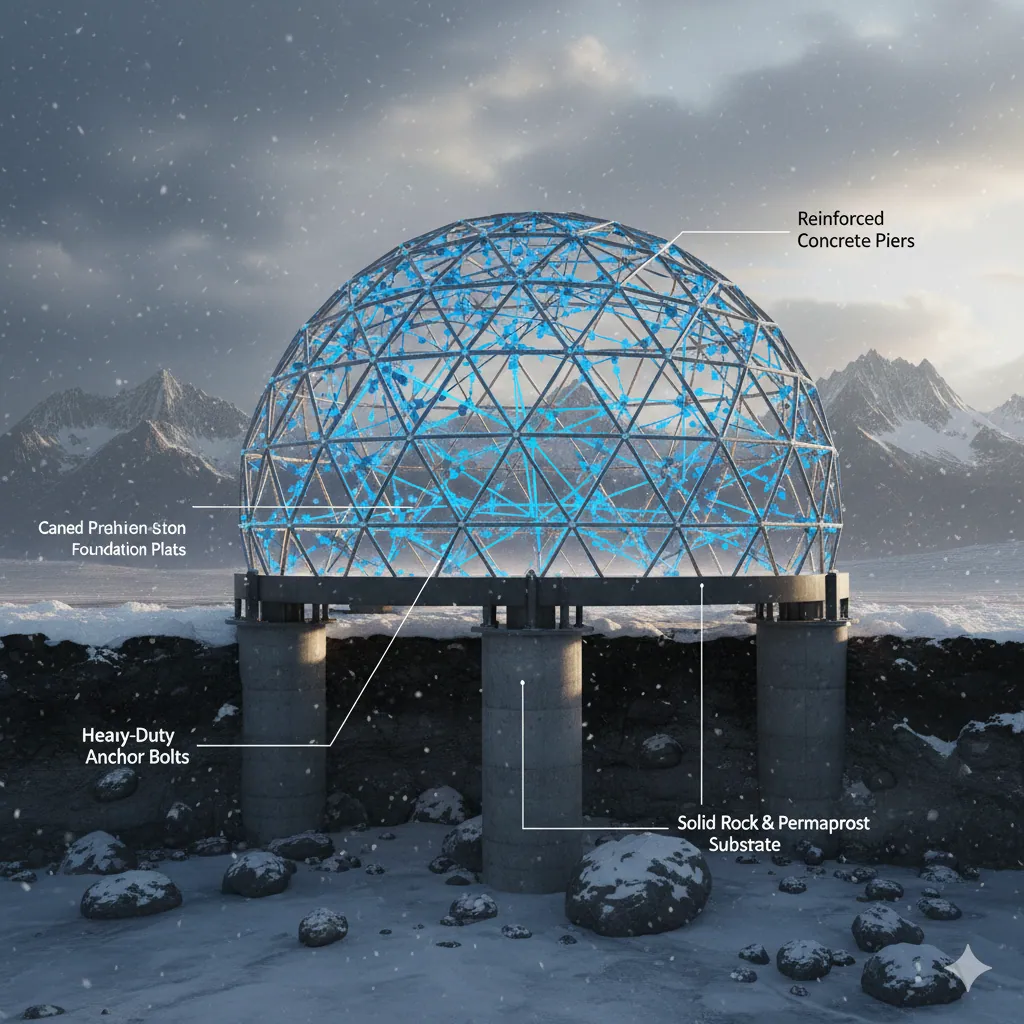
- Low Center of Gravity:
The entire mass sits close to the ground the most stable position in physics, resisting overturning by both wind and seismic motion. - Multiple Anchor Points:
Domes are typically anchored at many spots around their base, further securing the structure against high winds and shifting under snow.
5. Real-World Performance

- Wind Survival:
Geodesic domes built by Nest Domes routinely withstand winds of 120–150 km/h (with options for up to 200 km/h in custom builds). - Snow Resilience:
Properly engineered domes are installed in Himalayan, Alpine, and Arctic settings handling heavy snowfall without sagging or failure.
6. Maintenance and Longevity
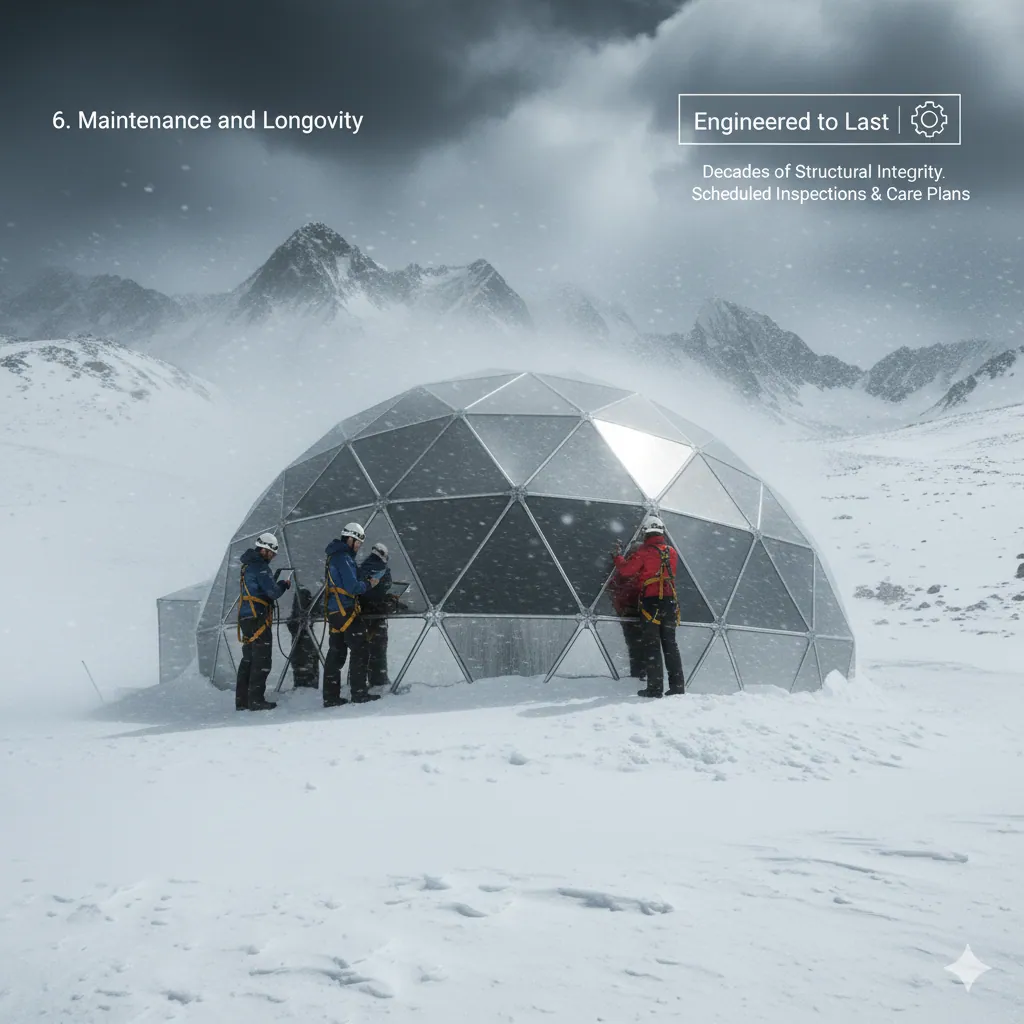
- Engineered to Last:
When combined with scheduled inspections and care (like Nest Domes maintenance plans), domes retain their structural integrity for decades, outlasting most alternatives.
In summary:
Geodesic domes naturally excel at handling wind and snow loads, thanks to aerodynamic design, structural triangulation, and balanced load paths.
This advanced stability allows for safe, reliable operation in environments that challenge ordinary architecture keeping guests and businesses protected, no matter the weather.
With Nest Domes, you benefit from this world-leading safety and resilience in every project.
Transform Your Space with a Nest Dome
From luxury glamping domes to large event spaces, our geodesic domes redefine modern design. Let’s build something extraordinary together.